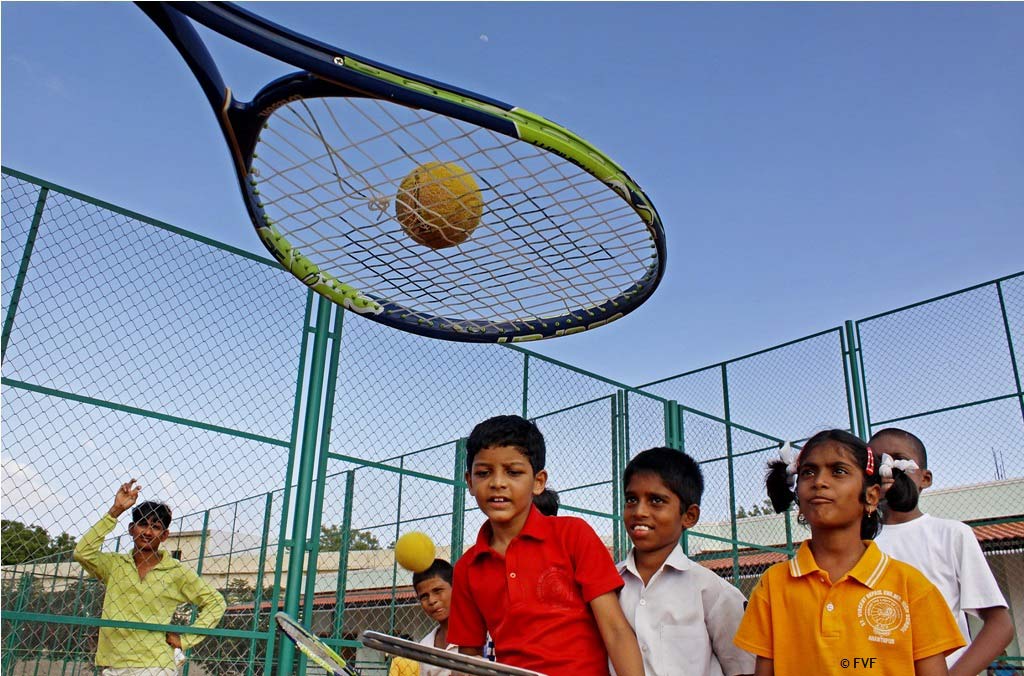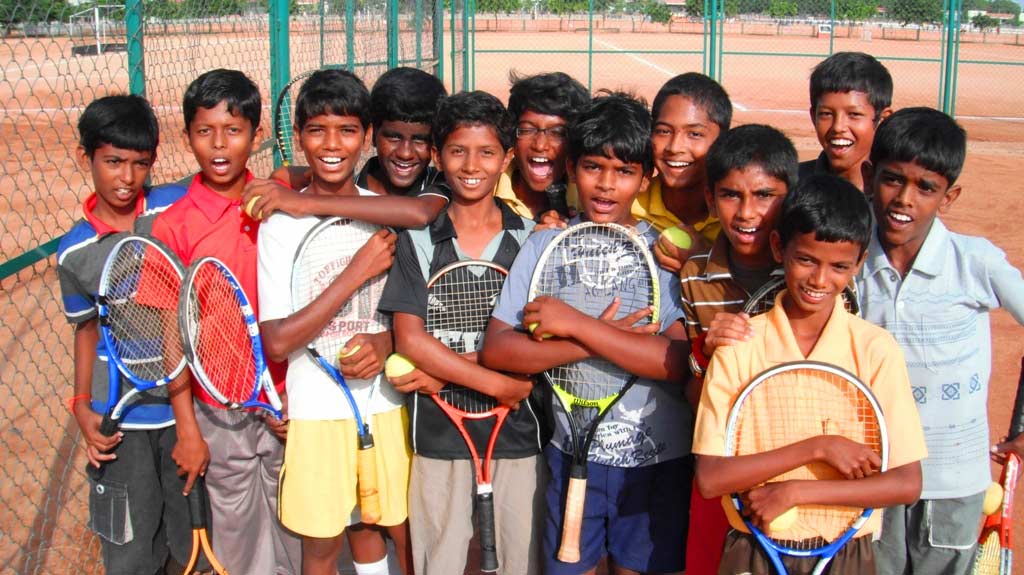
At the Rafa Nadal Foundation Centers, we work every day to ensure that the children and adolescents we support not only have access to quality education and sports, but also to the emotional support they need to grow in a balanced, safe, and happy way.
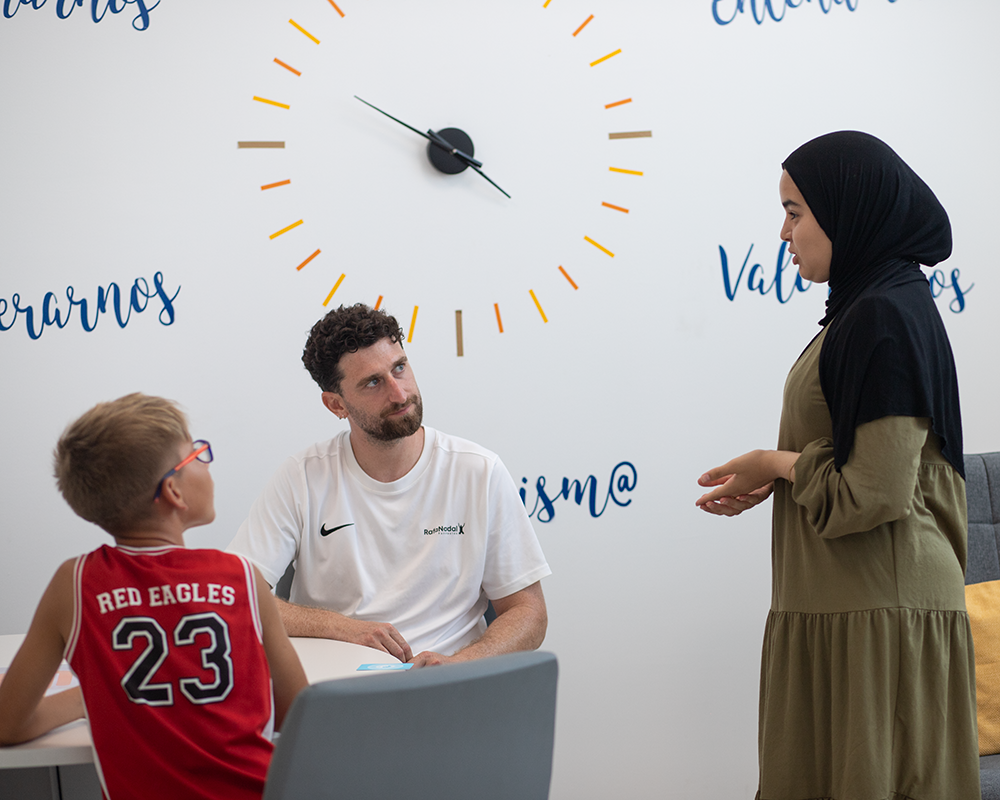
Child and adolescent mental health is a fundamental pillar of our work. The complex emotions children experience, such as sadness, anger, fear, or frustration, often lack a space where they can be heard, understood, and managed. That’s why our Centers have specialized psychologists who accompany children and adolescents daily, detecting signs of distress, providing tools to express their emotions, and creating safe spaces where they can open up without fear.
We know that sport not only strengthens the body, it is also a powerful tool to improve mental health. Through physical activity, children develop skills such as resilience, teamwork, frustration tolerance, and self-confidence.

These emotional competencies, combined with psychosocial work, reinforce their overall development and help them build a positive self-image.
Safe spaces to talk and grow
In our Centers, children find a place where they can express themselves freely. One of the greatest achievements of our teams is that children feel they can talk about anything, without fear of being judged, punished, or ignored. This sense of emotional safety is the foundation upon which we build all our work.
The support we offer is based on methods adapted to their developmental stage. Through therapeutic play—a key tool in psychological intervention with children—our professionals help them identify, name, and manage their emotions.
One of the most commonly used activities in our Centers is the “Emotion Cards” dynamic. In this exercise, children draw a card representing an emotion (joy, anger, fear, surprise…) and, using a drawing of a character, indicate where in their body they feel that emotion.
For example, some place anger in the chest, joy in the arms, or sadness in the throat. From there, a conversation begins with the professional to explore the source of that emotion and how to manage it.

This activity falls within the scope of emotional education and body-based emotional therapy, which helps connect the body and mind consciously.
Another tool we use is projective play therapy with figurines, specifically Playmobil characters.
Through symbolic play, children represent scenes or situations with the figures they identify with, projecting personal experiences, fears, or conflicts onto them. This technique allows the professional to observe and interpret the child’s inner world indirectly, respecting their pace and encouraging safe emotional expression.
Also known as projective play techniques, these are especially helpful for children who have difficulty expressing what they feel with words.


A daily, quiet, and essential job
Our psychosocial teams work closely, consistently, and with deep commitment to each child. They observe, listen, and support—not only in moments of crisis but in small, everyday gestures that reveal emotional states: a glance, a change in mood, a shift in attitude. Because for us, prevention is also care.
At the Rafa Nadal Foundation, we believe that emotional well-being is the foundation for learning, playing, and healthy development.
That’s why we will continue working to ensure that every child who comes through our Centers feels heard, supported, and equipped to face their emotions with healthy, lasting tools.