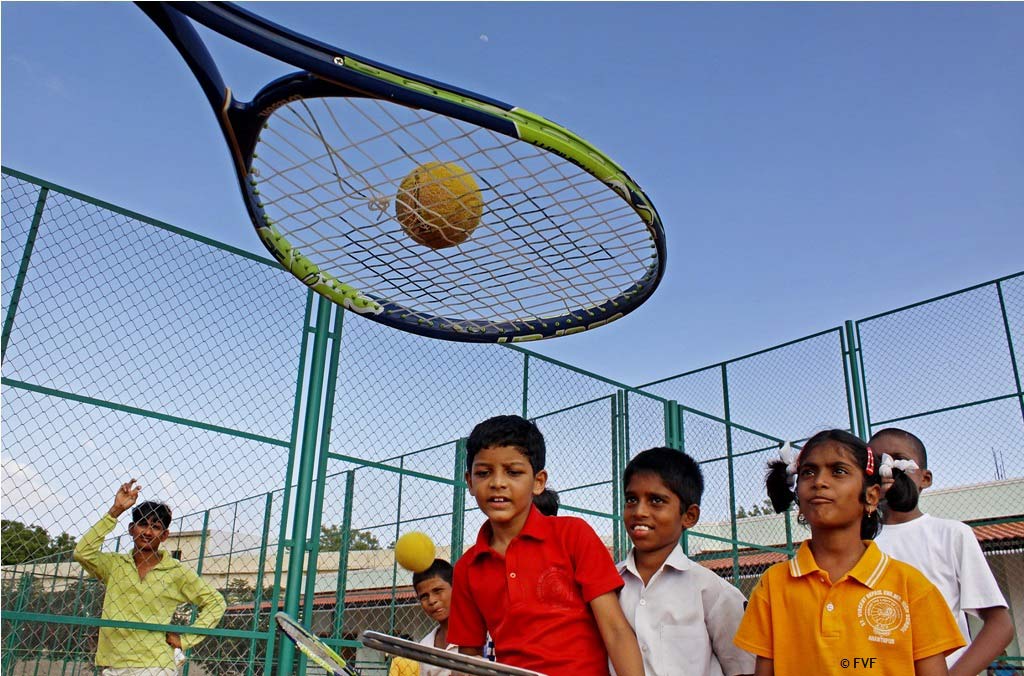
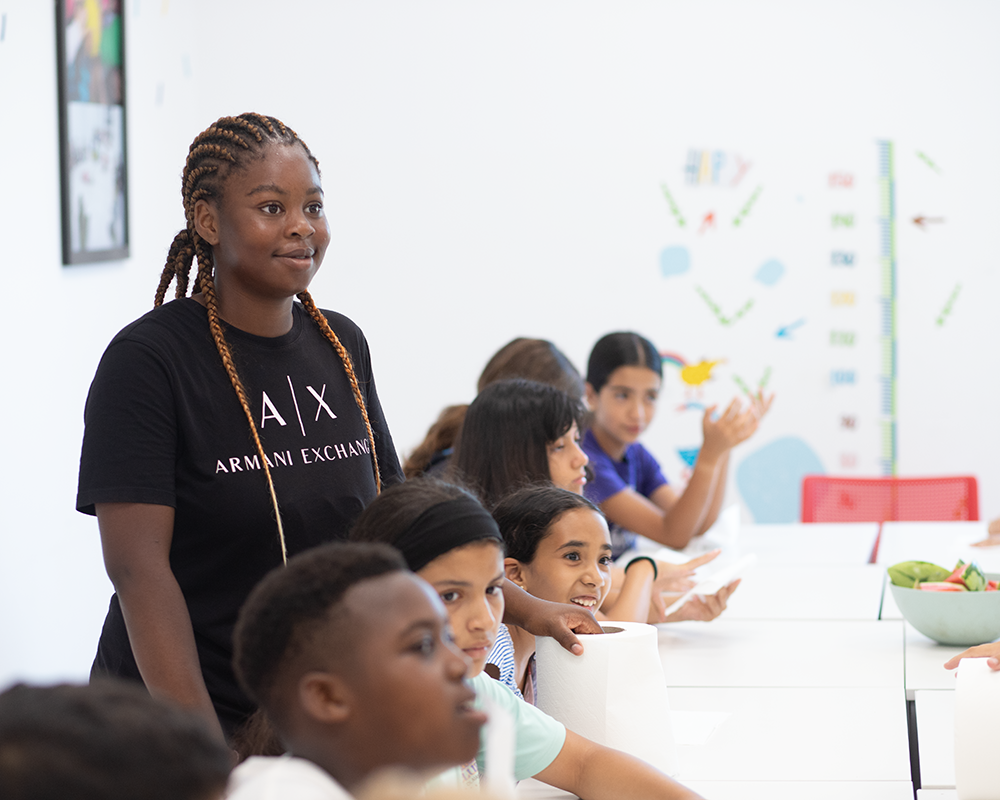
Going back to school after the summer holidays can be an emotional time for children and adolescents. Resuming schedules, homework, and responsibilities is not always easy, but this transition is essential for their personal, social, and academic development.
Returning to the school routine doesn’t just mean going back to classes: it also involves reconnecting with friends, participating in educational and sports activities, and strengthening skills that will accompany them throughout childhood and adolescence.
Benefits of Resuming the School Routine
Getting back into a daily routine brings many benefits for children, including:
- Improved time management and concentration.
- Promotion of autonomy and responsibility.
- Reinforcement of healthy habits related to nutrition, sleep, and physical activity.
- Greater emotional security and stability, thanks to the structure provided by schools and educational centers.
Having a clear routine helps children feel more prepared to face the challenges of the school year and enjoy every learning experience.
The Importance of a Safe Environment for Children
Not all children adapt in the same way. Some may experience stress, anxiety, or lack of motivation when faced with significant changes. For this reason, it is essential that schools and educational centers are safe and welcoming spaces, where children feel heard, supported, and accompanied.
A positive environment promotes integration, strengthens self-esteem, and encourages children to learn and actively participate in class.

Tips for Families: How to Support the Back-to-School Process
Families play a key role in helping children adapt to the school routine. Some practical tips include:
- Gradually establish schedules: Slowly adjust sleep and meal times before school starts.
- Prepare school bags and materials together: Encourage autonomy and responsibility in daily organization.
- Talk about emotions: Ask how children feel and validate their emotions.
- Promote motivation: Highlight activities at school or extracurricular workshops that excite them.
- Create positive routines at home: Include reading time, educational games, and physical activity to balance study and leisure.
- Maintain communication with the school: Collaborate with educators to identify potential difficulties and ensure personalized support.
- Celebrate small achievements: Recognize progress and adaptation to boost confidence and self-esteem.
Back to School as a Growth Opportunity
Back to school is more than just returning to a routine: it is a time to grow, learn, and enjoy each day. With planning, family support, and safe, motivating environments, children can face this stage with confidence and enthusiasm.

Each new school year is an opportunity to strengthen autonomy, develop new skills, reconnect with friends, and experience moments that contribute to emotional and academic well-being. With guidance and patience, adaptation becomes a positive experience that marks the beginning of a year full of learning and discovery.