
Every 1st of October, World Depression Awareness Day reminds us that mental health is not an extra, but a fundamental pillar in the holistic development of children and adolescents. This is especially important in today’s context, where the first signs of mental health disorders often appear before the age of 18 and can have a profound impact on adult life if they are not detected and addressed in time.
Why is it so important to talk about mental health in childhood and adolescence?
Childhood and adolescence are key stages for cognitive, emotional and social development. They are also the periods when symptoms associated with anxiety, depression or internalising disorders most frequently appear, potentially affecting academic performance, social relationships and self-esteem.
Some figures that reflect the situation in Spain:
- Recent samples estimate that between 10% and 20% of children and adolescents may experience some type of mental health disorder.
- Specific studies show that around 4–5% present clinically relevant symptoms of depression, with similar or even higher percentages for anxiety.
- In addition, data indicate that mental health difficulties can begin at very early ages and affect multiple aspects of daily life.
These figures show that this is not an isolated issue, but a reality affecting many families, schools and communities.
Comprehensive and preventive care: our approach through Education and Sport
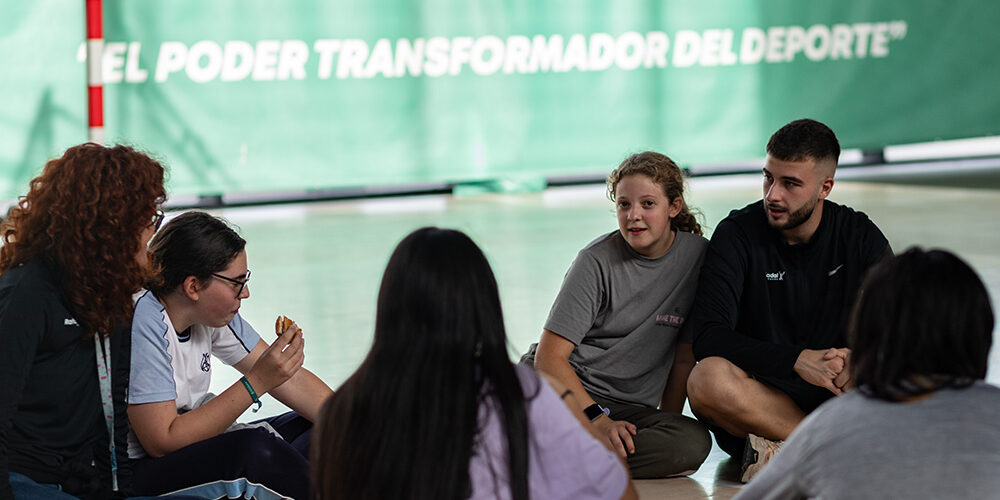
At the Fundación Rafa Nadal Centres in Palma, Valencia and Madrid, we have been committed for 10 years to a comprehensive care model for children and adolescents through our Education and Sport project.


This system combines three essential pillars:
- Educational activities
- Sports activities
- Psychosocial support
Psychosocial support is a central element of our approach. We support children, adolescents and their families through:
- Individual sessions with our team of psychologists.
- Group workshops and activities that promote socio-emotional skills.
- Ongoing support during sports and educational activities, integrating emotional development with practical experiences.
- Tools to cope with real-life challenges, such as emotional regulation, conflict resolution, stress management and the building of healthy relationships.
This holistic approach allows each child not only to improve academically or athletically, but also to develop resources and strengths that will benefit them throughout their lives.
Because mental health matters from the very beginning
Investing in the emotional well-being of children and adolescents is not just a matter of individual care: it is an investment in the well-being of society as a whole. Early detection, safe spaces to talk about emotions and strengthening resilience are actions that make the difference between merely surviving and living with the tools needed to face future challenges.

On this World Depression Awareness Day, we want to remind everyone that there is no healthy development without psychological well-being.
At the Fundación Rafa Nadal Centres, we firmly believe that if we all play our part—families, educators, professionals and the wider community—we can build environments where every child and adolescent feels supported, understood and given real opportunities to grow.