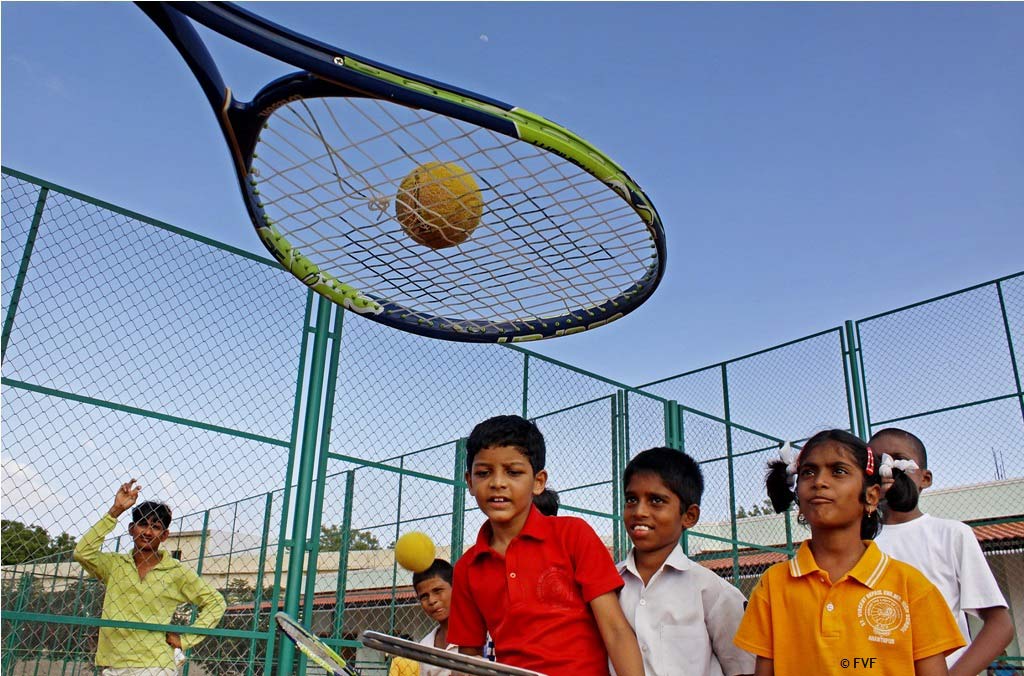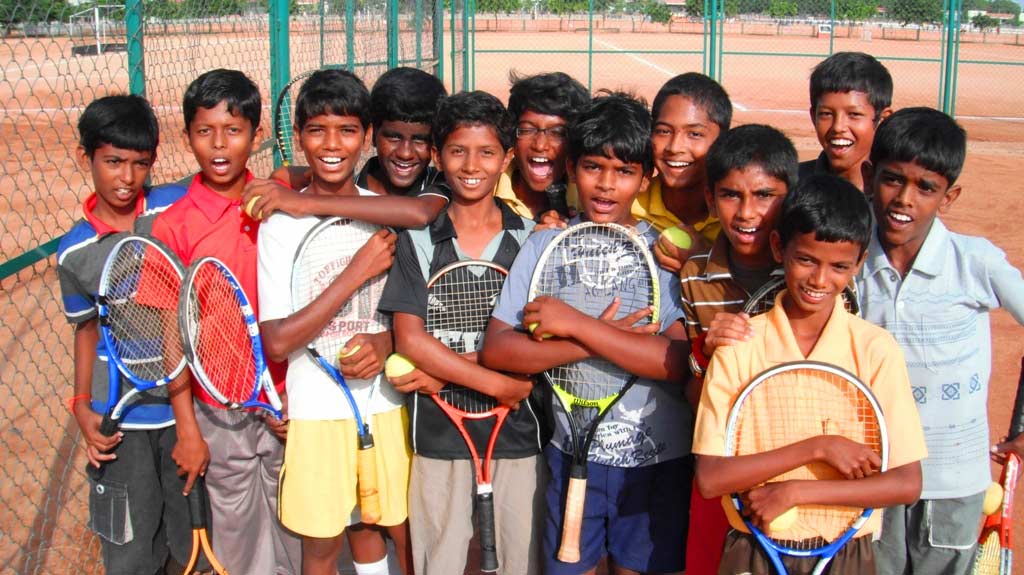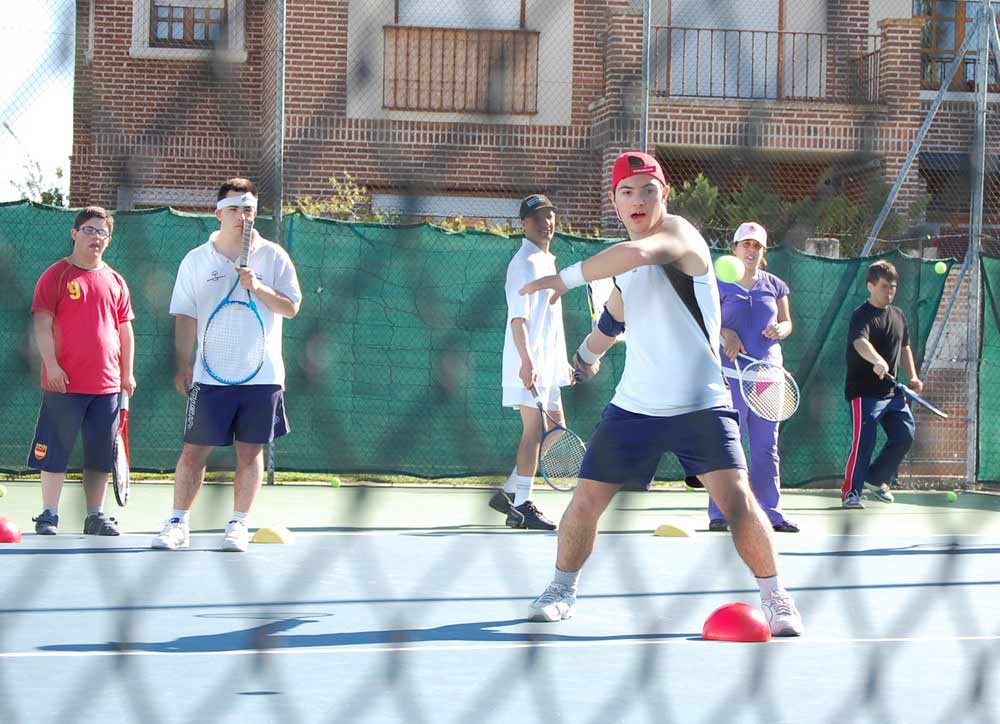
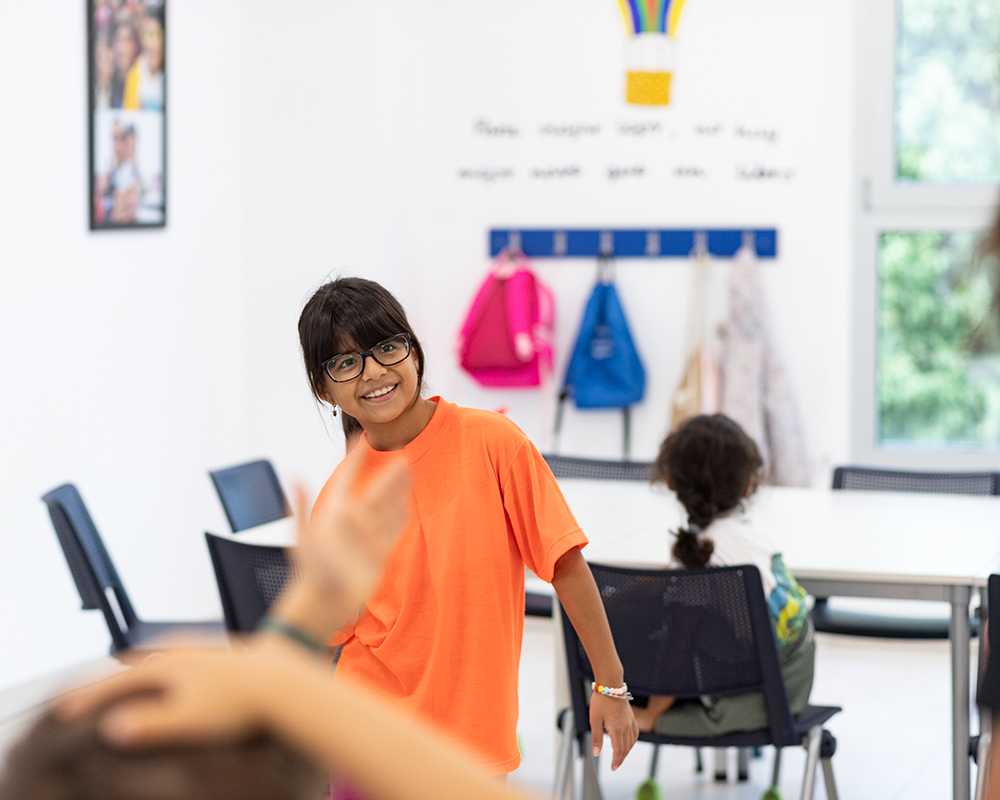
At the Rafa Nadal Foundation Centres, education goes far beyond academics. Through playful and dynamic educational activities, designed and delivered by our team of professionals —educators— we work on key aspects of the emotional, social and personal development of children and adolescents (C&A), always adapting to their different ages and needs.
These activities are part of a structured educational project that aims to support children as they grow, providing them with practical tools to better understand themselves, build healthy relationships and face everyday challenges.
A common thread for growing together: multiple intelligences
During this academic year, at the Rafa Nadal Foundation Centre in Palma, educational work is structured around a shared guiding theme: Howard Gardner’s theory of multiple intelligences, which proposes that intelligence is neither unique nor universal, but that human beings possess different, independent types of intelligence.
Having this common thread throughout the year provides coherence and continuity to the educational process, fostering deeper and more meaningful emotional and social development. Month by month, key topics such as identity, frustration, empathy and teamwork are addressed from a practical and experiential perspective.
This approach not only helps children and adolescents better understand their emotions and relationships, but also enables the educational team to carry out a more personalised follow-up, attending to the development of each intelligence and ability in every child.


The intelligences we work on
Throughout the year, specific activities are developed to enhance the following intelligences:
- Interpersonal, to improve relationships with others, empathy and communication.
- Intrapersonal, fostering self-awareness, self-esteem and emotional management.
- Bodily-kinesthetic, through movement, coordination and body expression.
- Spatial, working on perception, creativity and orientation.
- Musical, stimulating sensitivity, rhythm and emotional expression.
- Linguistic, strengthening oral communication, listening and expression.
- Logical-mathematical, developing reasoning, decision-making and problem-solving.
- Naturalistic, promoting observation, respect for the environment and connection with nature.
This work allows children to become aware of their own abilities, identify their strengths and also recognise areas they need to improve, always with a key message at the core of our educational approach: we are all good at something.
New features this year: more movement, more space, greater wellbeing
This academic year brings important new developments in the educational programme. One of them is the greater use of outdoor spaces, such as the sports court or the park, where activities that combine learning and movement take place.
In addition, new dynamics and exercises related to the sports field are introduced, working on coordination, balance, reflexes and concentration. These activities not only reinforce sports training, but also offer children spaces to disconnect, release energy and express themselves, both individually and as a group.
This balance between physical activity and classroom work leads to better use of educational time, contributes to children’s emotional wellbeing and creates a more motivating and meaningful learning environment.
At the Rafa Nadal Foundation Centres, we firmly believe in an education based on experience, play and relationships. Educational activities are a fundamental tool to support children and adolescents in their holistic development, helping them grow with confidence, respect and opportunities.