Every October 10th we celebrate World Mental Health Day, a date that invites us to reflect on an essential aspect of our wellbeing and development: how we feel, how we manage our emotions, and how we relate to others. In recent years, mental health has become a central topic in public discussion, and more and more voices remind us of the importance of caring for this area from childhood and adolescence.
Children’s mental health: a reality that needs attention
In Spain, the latest 2025 data show a trend that remains worrying. According to recent reports, one in five children shows symptoms related to anxiety, depression, or emotional stress, and nearly 30% of teenagers admit having felt at some point that they could not manage their emotions or environment. The pandemic, intensive use of social media, academic pressure, and the lack of solid role models have intensified many of these situations, affecting both the wellbeing and personal development of young people.
Behind each figure there are real stories: children and adolescents who need to be heard, understood, and supported. That’s why having spaces for emotional and social support has become an urgent need — not only within healthcare, but also in educational, family, and community settings.
In this context, initiatives such as those promoted by the Rafa Nadal Foundation take on special importance. Our commitment to childhood and youth drives us to work every day to offer resources that foster comprehensive wellbeing, combining education, sport, and psychosocial support.
Rafa Nadal Foundation Centers: a comprehensive model of support
In the Rafa Nadal Foundation Centers in Palma, Valencia and Madrid, we provide integral support to children and adolescents in vulnerable situations through three main areas:
- Educational activities, which strengthen academic skills and promote meaningful learning.
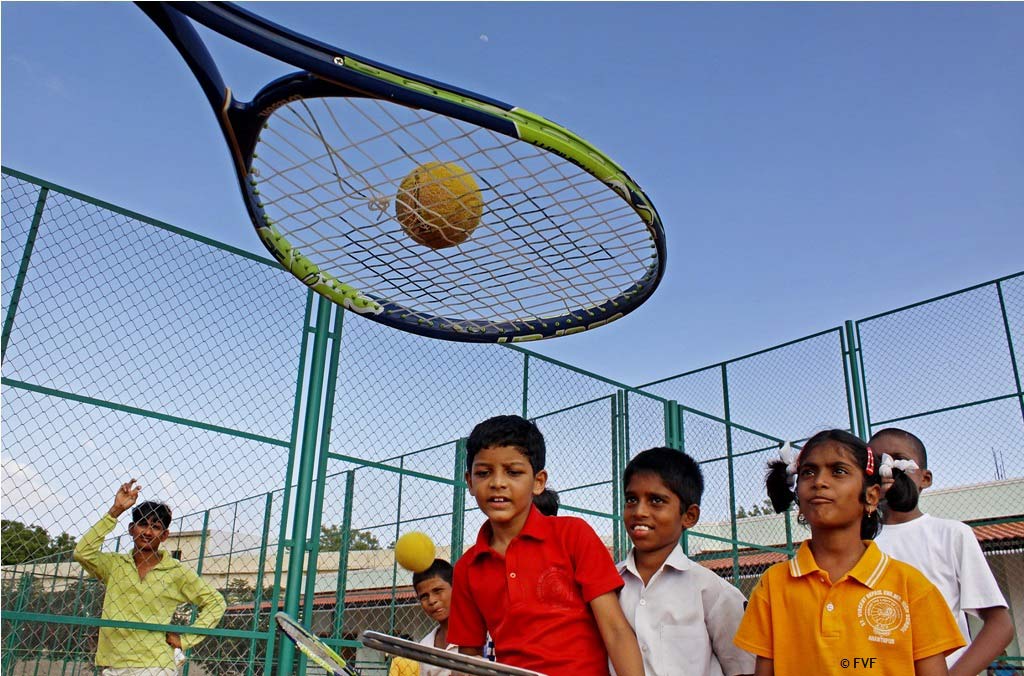
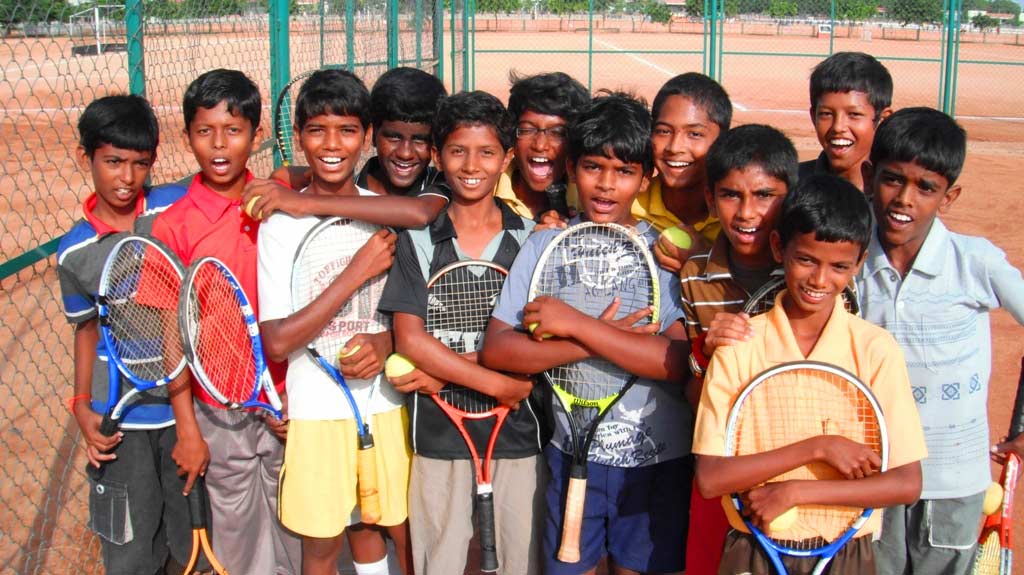
- Sports activities, which encourage healthy habits, teamwork, and personal growth.
- Psychosocial support, where children and their families receive guidance, accompaniment, and tools to improve their emotional wellbeing.
In this last area — psychosocial support — we work with a team of psychologists and social workers who accompany both the minors and their families. The follow-up is continuous and personalized: professionals observe the evolution of each child through different activities, identify possible difficulties, and design tailored interventions.
We also offer individual and group therapy to address emotional, social, or family challenges. In group sessions, we work on topics such as self-esteem, emotional management, and communication, while individual therapy focuses on specific situations that require deeper attention.
All this work shares one common goal: to promote the overall wellbeing of every child, helping them develop internal resources to face daily challenges and build a solid, balanced life project.
Sport as a tool for emotional wellbeing
Sport is much more than physical activity. At the Rafa Nadal Foundation, we see it as a transformative tool that not only improves physical health but also strengthens mental and emotional wellbeing.

Through sport, children and young people learn values such as perseverance, effort, empathy, and teamwork. These experiences help develop resilience, the ability to overcome difficulties. Playing, training, or competing teaches them to manage frustration, celebrate others’ successes, learn from mistakes, and recognize their own progress.
Above all, sport provides something essential for emotional health: a safe and trusted space. In our centers, children find a place where they feel protected, heard, and valued, where they can express themselves freely and relate to others with respect and equality.
The profiles of our professionals — educators, sports coaches, psychologists, and social workers — are key in this process. They become positive role models and emotional references, inspiring the children and helping them grow with a strong foundation of values.
Thanks to this combination of education, sport, and emotional support, we turn the Rafa Nadal Foundation Centers into environments of wellbeing, learning, and personal growth, where every child finds their place.
Más Que Tenis: sport as a refuge and a source of wellbeing
Another example of the power of sport in mental health is the Más Que Tenis project, aimed at people with intellectual disabilities. In this program, sport becomes a true tool for transformation, promoting not only social inclusion but also emotional and psychological wellbeing.
For people with disabilities, physical activity has immense value: it enhances self-esteem, strengthens confidence in their abilities, and offers a space to interact, enjoy, and share experiences. Through tennis, participants develop motor, cognitive, and social skills, while also finding an emotional refuge — a place where they feel part of a group and where every achievement, no matter how small, has great meaning.
This project shows that sport can and must be accessible to everyone, and that its impact goes far beyond the physical dimension. In every training session and every match, community is built, mental health is strengthened, and a fuller life is promoted.
Taking care of ourselves and others
On World Mental Health Day, the Rafa Nadal Foundation wants to remind everyone that taking care of our mind is just as important as taking care of our body. Mental health is not an isolated issue nor an individual matter; it is a shared responsibility between families, schools, professionals, and society.

Every child and adolescent needs to feel supported, heard, and understood. They need spaces where they can express themselves, grow, and get to know who they are. Projects like ours aim to be precisely that: a safe and supportive environment where emotional wellbeing is built every day through empathy, commitment, and hope.
In an increasingly fast-paced world, caring for mental health is also an act of humanity. It means pausing, listening, paying attention to what we feel, and accompanying those around us. Because when we care for others, we also care for ourselves.
This October 10th, let’s celebrate the importance of mental health and reaffirm our commitment to the overall wellbeing of all people, especially those who need it most.